
Most couples assume wedding planning starts with finding a venue.
In reality, the first decision is usually much bigger than that.
Before you book anything, you need to decide which priority is leading the process:
the budget
the guest count
or the venue itself
That decision affects nearly everything that follows, from guest-count flexibility to venue and design options to overall budget expectations.
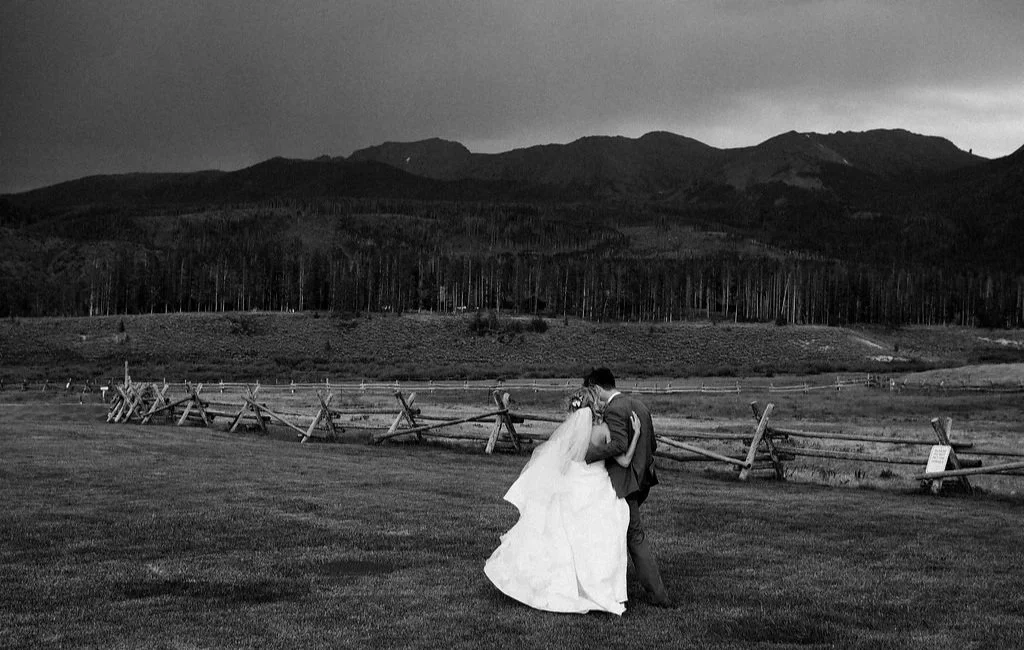
The Three Wedding Planning Approaches
Every wedding naturally organizes around one of these:
The budget leads
The venue and aesthetic lead
The guest list leads
Each approach changes what stays flexible, where compromises happen, and how the wedding ultimately comes together.
When Budget Comes First
This is the most structured approach to wedding planning.
You start with a fixed number and build a wedding that fits inside it.
The guest list adjusts
The venue is chosen based on what can be executed within that budget
The aesthetic follows what’s possible, not what’s inspiring
Everything ties back to the same constraint.
This works well for couples who want clarity early and are comfortable making tradeoffs without revisiting every decision.
Where it becomes difficult is when expectations don’t shift to match the number.
A fixed budget only works if everything else is flexible.
When the Venue Comes First
A setting is selected. A look is established. The rest of the day builds around it.
Guest count adjusts to the space’s capacity
The budget increases to accommodate the required level of execution and the venue’s set pricing.
Logistical support (rentals, staffing) is determined by the venue's needs and the wedding’s aesthetic.
This is where costs are often underestimated. For example, at Devil’s Thumb Ranch, because the property is so large, often larger teams are required (three photographers instead of two, or multiple sound systems for your band).
Or at your family’s home. A tented wedding isn’t just a tent. It’s flooring, lighting, power, climate control, and a full build that has to function as a venue.
This is especially true for mountain venues or private properties. The setting is beautiful, but everything has to be brought in, timed precisely, and managed once guests arrive.
The venue and aesthetic set the standard. The budget rises to meet it. The guest list adjusts.
When Guest Count Comes First
Sometimes the starting point is clear: there are 140 people who must be invited. That number isn’t changing.
Everything else adjusts around that.
The venue must support that capacity
Layout, flow, and service style are built to handle the guest count
The budget shifts depending on how those guests are hosted
Increasing your guest count impacts your wedding in ways most people don’t expect. Adding ten people doesn’t just add ten meals. It can mean:
Another table
More service staff
A different floor plan
Additional transportation
A tighter, more complex timeline
At a certain point, the entire event has to be reworked to function well.
This approach works when the priority is clear: everyone is included and properly hosted. The budget, however, needs to remain flexible.
Where Couples Get Stuck
Most wedding planning stress starts when couples try to prioritize everything at once.
They want a fixed budget, a large guest count, and a highly specific venue experience. Eventually, something has to give. That is usually the moment when planning starts to feel frustrating rather than exciting.
It usually looks like this:
A budget is set, then a venue is chosen that requires a full build-out
A guest list is fixed, but the same experience is expected as a smaller event
A venue is prioritized, but the budget is expected to stay unchanged
This shows up frequently with larger guest counts.
Couples want a highly detailed, design-driven experience, but at a scale where everything has to be simplified to function well, or costs increase quickly.
Nothing is technically wrong. It just doesn’t align.
That’s when decisions slow down. The budget stops feeling clear. The day starts to shift away from what was originally envisioned.
Choosing the Right Wedding Planning Priority
You don’t need every detail figured out at the beginning; You need to decide what you’re NOT willing to budge on.
And understand what that choice requires from the rest of the plan.
They just need a clear planning priority and an experienced wedding planner who can build the rest of the logistics and design around it.